

In 2026, I Will Be a Snitch
On silence, professionalism, and why I’m done protecting people who behave badly.

I’ve never considered myself a snitch.
As a kid, that was one of the worst things you could be. A tattletale. Someone who couldn’t hold a secret. Someone who told when everyone else understood the rule was to stay quiet. You probably remember a moment like that. A teacher asking who did something. A pause. The decision not to be that person.
I didn’t realize how much I’d carried that rule into adulthood until 2025.
The realization didn’t come gently. It came through work. Through corporate spaces where silence is often framed as professionalism, and endurance is mistaken for maturity.
Over the past year, I lost count of how many interviews I had. Some I applied for. Others I was recruited into. Again and again, I encountered the same pattern: praise without follow-through. Enthusiasm without accountability. Hiring processes that stretched on for weeks with no communication, no clarity, and no respect for time.
Then there were the microaggressions.
The visible surprise when someone expected a white man to appear on screen. The questioning of my credentials, including two master’s degrees. A white VP of marketing at a global martech company who told me he had no doubt I could do the job, but was worried about “culture fit.”
Culture fit.
Like, what are we even doing?
As a nontraditional student, I had ideas about what “adult” spaces were supposed to look like. I assumed there was a baseline. That people followed through on what they said. That professionalism went both ways.
I was raised, explicitly, as a Black man, to meet that baseline and then exceed it. Be prepared. Be gracious. Be excellent. Don’t give anyone a reason to question your presence.
So it was disorienting to realize how many people in powerful positions didn’t meet the standards I had been taught to live by.
What bothered me most wasn’t the occasional mistake. It was how often the behavior felt deliberate. Not circumstantial. But chosen.
There were moments when I wanted to email a CEO directly. Or write publicly about what had happened. Name the behavior and call out the person. Tell the truth. But every time, I stopped myself.
I worried about repercussions. About being perceived as difficult. About how it might affect future opportunities.
At one point, I even laid out one of these experiences for ChatGPT. I shared the emails. The timelines. The context. After validating my frustration, it arrived at the same conclusion I had reached: stay quiet. Protect your reputation. Move on. It even suggested I check in on my mental health.
It was reasonable advice.
I was still angry.
Since when did it become acceptable for people to behave this way without consequence, while restraint became a moral obligation for the person being mistreated?
That question took me back to the first time I learned this lesson.
My first job after college, in 2021. I was so excited when I got the offer that I went to the radio station to take a photo in front of the building for a celebratory LinkedIn post. I set up a tripod, used a self-timer, and started taking pictures.
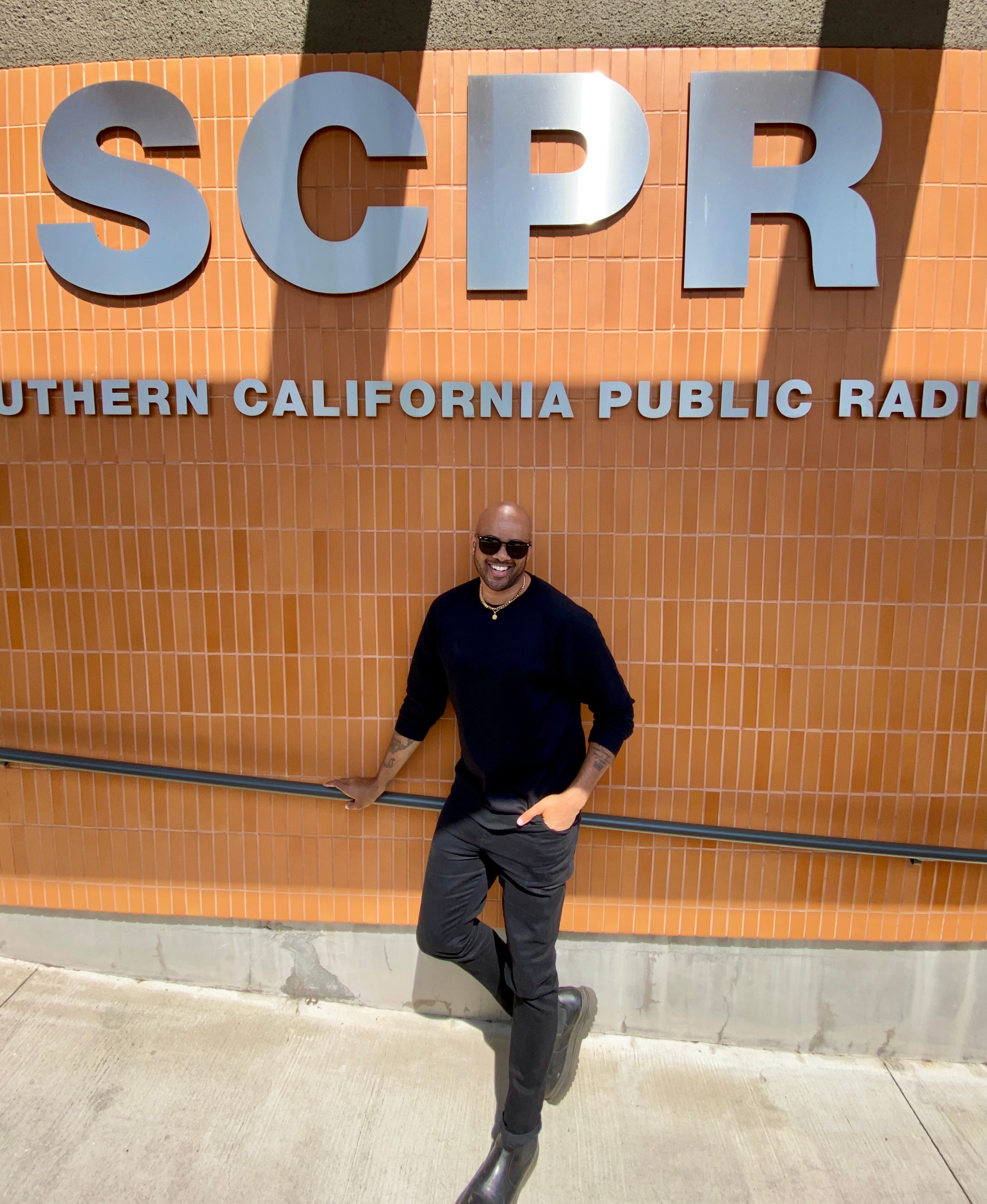
A white SUV slowed as it exited the employee parking lot. The white woman behind the wheel stared. I ignored it. She turned onto the street, slowed again, then made a U-turn and drove off.
A few minutes later, a security guard came outside and asked what I was doing. I told her I’d just been hired and would be starting soon as the station’s unhoused communities reporter. She smiled. Congratulated me. Shared in the excitement.
Out of curiosity, I asked if she’d seen me on the cameras.
She said no.
Someone had called and reported a suspicious man outside the building.
I never found out who made the call. I never reported it. I never told anyone. But from that moment on, my view of my new colleagues was tainted. Every Slack message carried a question mark. Every friendly interaction came with an unspoken suspicion.
I told myself it was better not to know. Better not to disrupt anything. Better not to be a snitch.
Looking back, that’s what makes me angriest. Not just at them, but at myself.
I taught myself that silence was the price of stability. That staying quiet was strategic. Professional. And that lesson followed me into bigger rooms with higher stakes.
By the end of 2025, the pattern was impossible to ignore.
Scrolling through TikTok, I’ve seen hundreds of people sharing nearly identical stories about the job market. Endless interview rounds. Ghosting. Unpaid labor. Vague praise paired with an absolute refusal to take responsibility.
This behavior persists because it’s protected. Because most people don’t want to be the one who tells. Because “snitch” still carries shame. Because speaking up is framed as bitterness or instability instead of self-respect.
A significant part of my internal work in 2025 involved confronting what Carl Jung called the shadow self — the parts of ourselves we’re taught to suppress because they make other people uncomfortable. For me, that included anger. Saying something when silence was expected. The instinct to name what’s happening instead of smoothing it over. (If you want to go deeper on that idea, this Psychology Today piece on Jung’s concept of the shadow is a useful place to start.)

I’ve been told my whole life not to burn bridges. That you never know who you’ll need later.
But I no longer believe I’m meant to build my future on access to people who mistreat me in the present. I trust that God or whatever higher power exists, doesn’t require that kind of compromise.
I’ve decided I’m done suppressing it.
I’m done absorbing harm quietly so other people can remain comfortable.
If you mistreat me, I will say so. Sometimes privately. Sometimes publicly. By name. You are now on notice.
I don’t usually make New Year’s resolutions.
But I’ve made one.
In 2026, I will be a snitch. ⁂