This is the 3rd entry in LONGITUDE, a series told through place for paid subscribers. Previous entries were Bangkok and Ho Chi Minh City.
Soundtrack: firecrackers from teenagers in the park / the Luas tram grinding through the city / bus engines / rain on everything / water splashing from cars through puddles / live bands bleeding out of pub doors on a Friday night
A narrated edition of this entry, recorded by me, is available below.
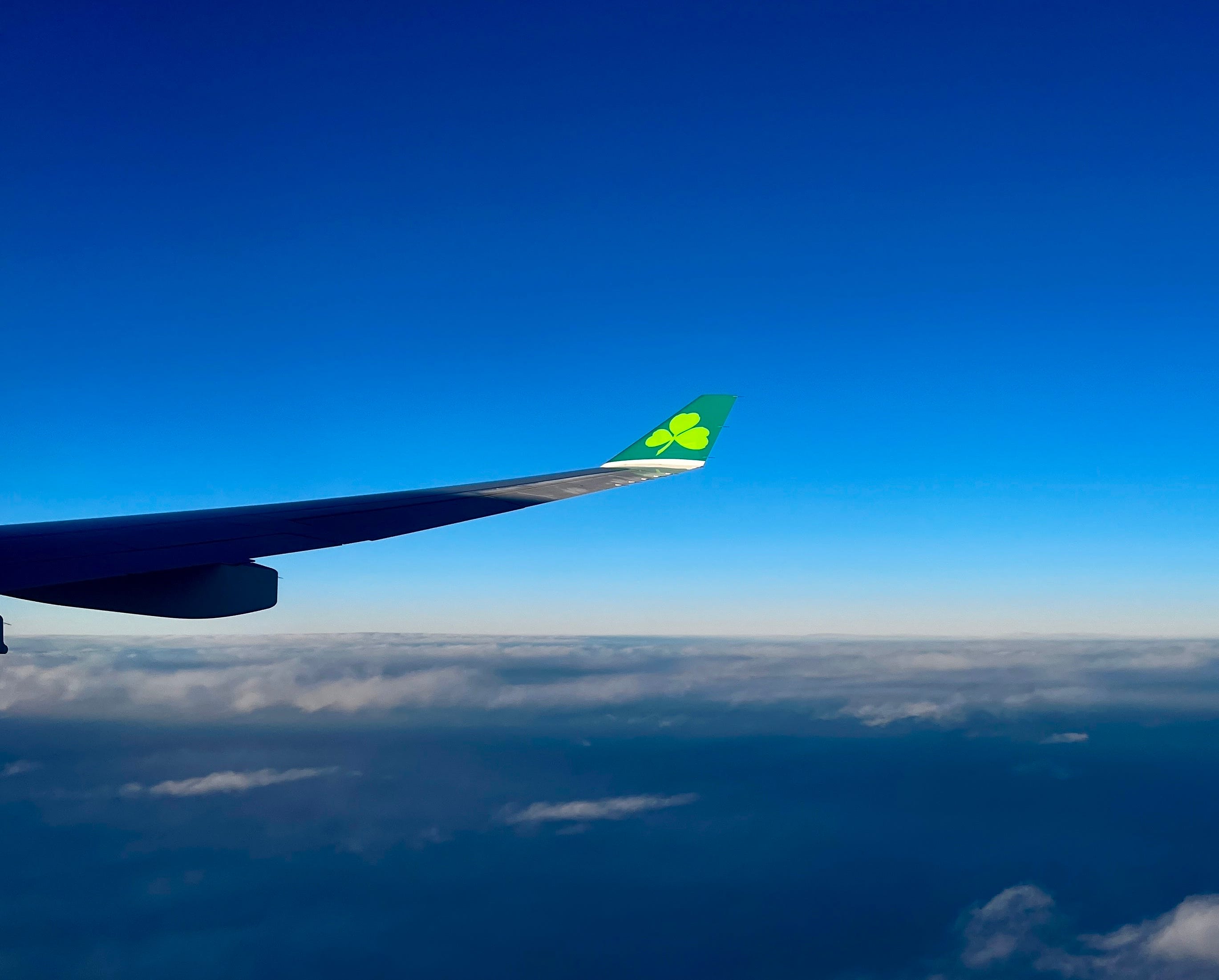
I arrived in Dublin in September 2023 from Paris.
I had been weighing Dublin against Paris for a master’s program, and Dublin won for reasons that made sense to me at the time. My last name is Ward, and somewhere along the way I looked up its origins and found Ireland. Something about that felt meaningful, like this place might feel more familiar than I expected.
I was also choosing discomfort on purpose. After years in the humanities with a journalism degree and a master’s in public diplomacy, I was starting over in Human-Computer Interaction with a focus on responsible AI. Dublin offered that. It also offered a longer horizon: five years to citizenship, and with it the option of living and working elsewhere in the EU if I wanted.
So the plan was simple. Get the degree. Switch from a student visa to a work visa. Stay.
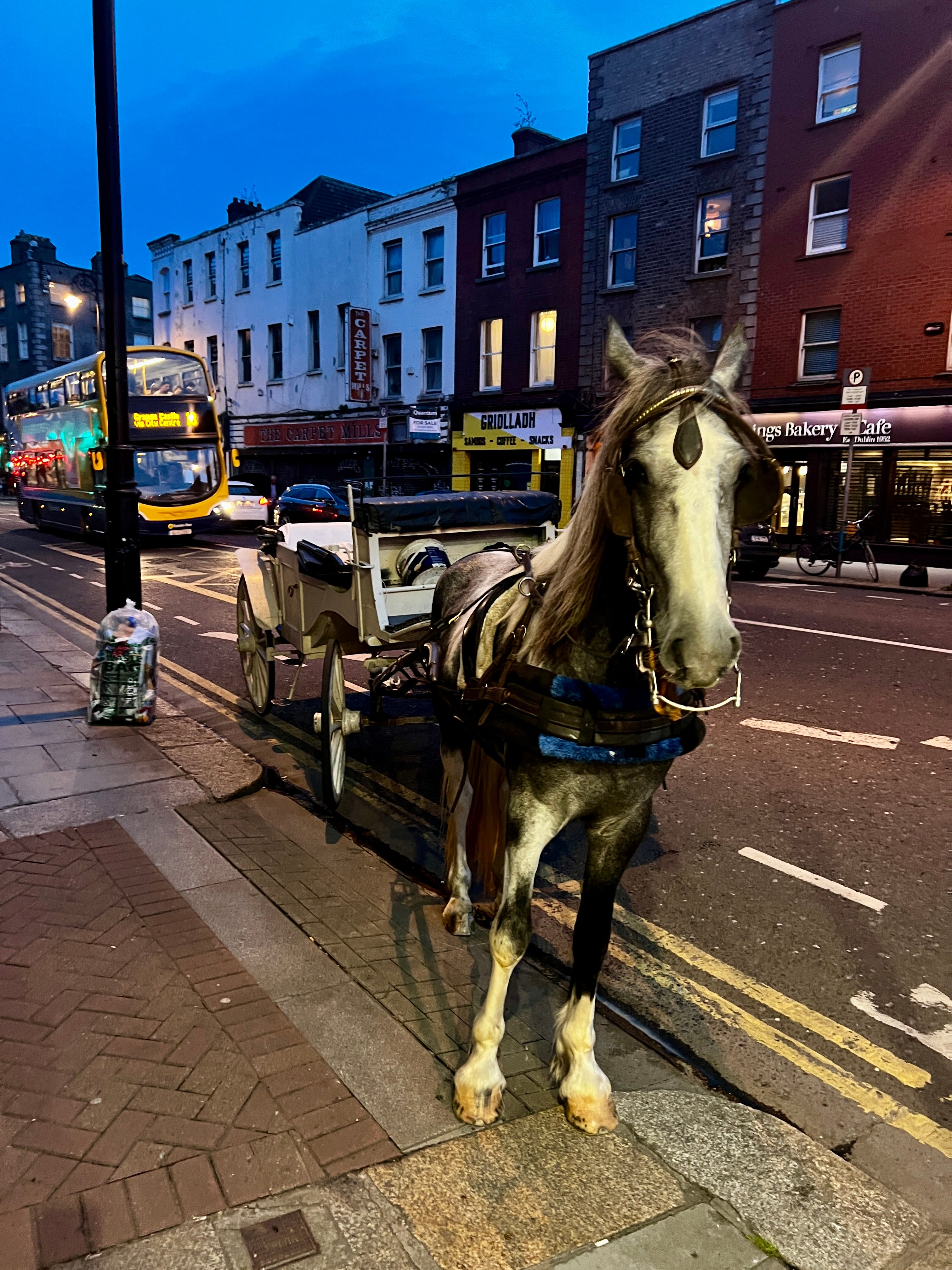
Thomas Street. The horse carriages are still a thing in the Liberties. I smiled every time I saw one. ETHAN WARD
I ended up in student apartments on Bonham Street in the Liberties, Dublin 8.
The Liberties is one of Dublin’s oldest neighborhoods, historically working-class and built around brewing, weaving, and distilling. The Guinness Storehouse is a few minutes away, and Thomas Street still runs with market stalls and family shops alongside the Lidls and Tescos that have moved in.
When I was there, the neighborhood was mid-gentrification. Student housing complexes and hotels were rising on blocks where community spaces used to be. Longtime residents, many in social housing, watched it happen from their windows. It was a place where the history was still visible, but you could feel it being replaced.
My building overlooked a small community park on Bridgefoot Street. From my window I could see the River Liffey in the distance. On some afternoons the park was families and children. On others it was teenagers lighting firecrackers and setting small fires for no obvious reason. Some days I would look down and see people openly using drugs or meeting up to buy them in broad daylight, a few feet from the playground.
It did not bother me the way it might have someone else. I grew up in the D.C. area. I spent 13 years in Los Angeles. I know what neighborhoods look like when they are caught between what they were and what someone with money wants them to become. Still, it was strange to see that in Dublin, a city I had been told was charming and friendly and full of pubs.
Being in the city center meant everything was walkable, and that changed me more than I expected.
I grew up in suburban Maryland, where getting a driver’s license felt like a rite of passage. You needed a car to get anywhere. Public transportation existed in Washington, but I barely used it. I would take the Metro if I had to. The bus was another matter. Somewhere along the way, I had absorbed the idea that riding the bus was a sign of poverty. Why would you take the bus if you could afford not to?
I know now that this is an American belief as much as an infrastructural one. I just had never named it as inherited until I left the country. In Los Angeles it got worse, because Los Angeles is a car city by design. I had a car. I drove everywhere. I never rode the bus.
In Dublin, everyone rides the bus.
They have trams, the Luas, running through the city on fixed lines. But the bus is how most people move. So there I was, 41 years old, taking the bus as part of ordinary life for the first time. The adjustment had nothing to do with the bus itself. The bus was fine. What felt strange was realizing I had to unlearn something I had been carrying for years without examining it.
That belief is gone now. I walk or take transit without thinking about it. But if I moved back to Los Angeles, I doubt I would become a regular bus rider overnight. Some inheritances loosen slowly.
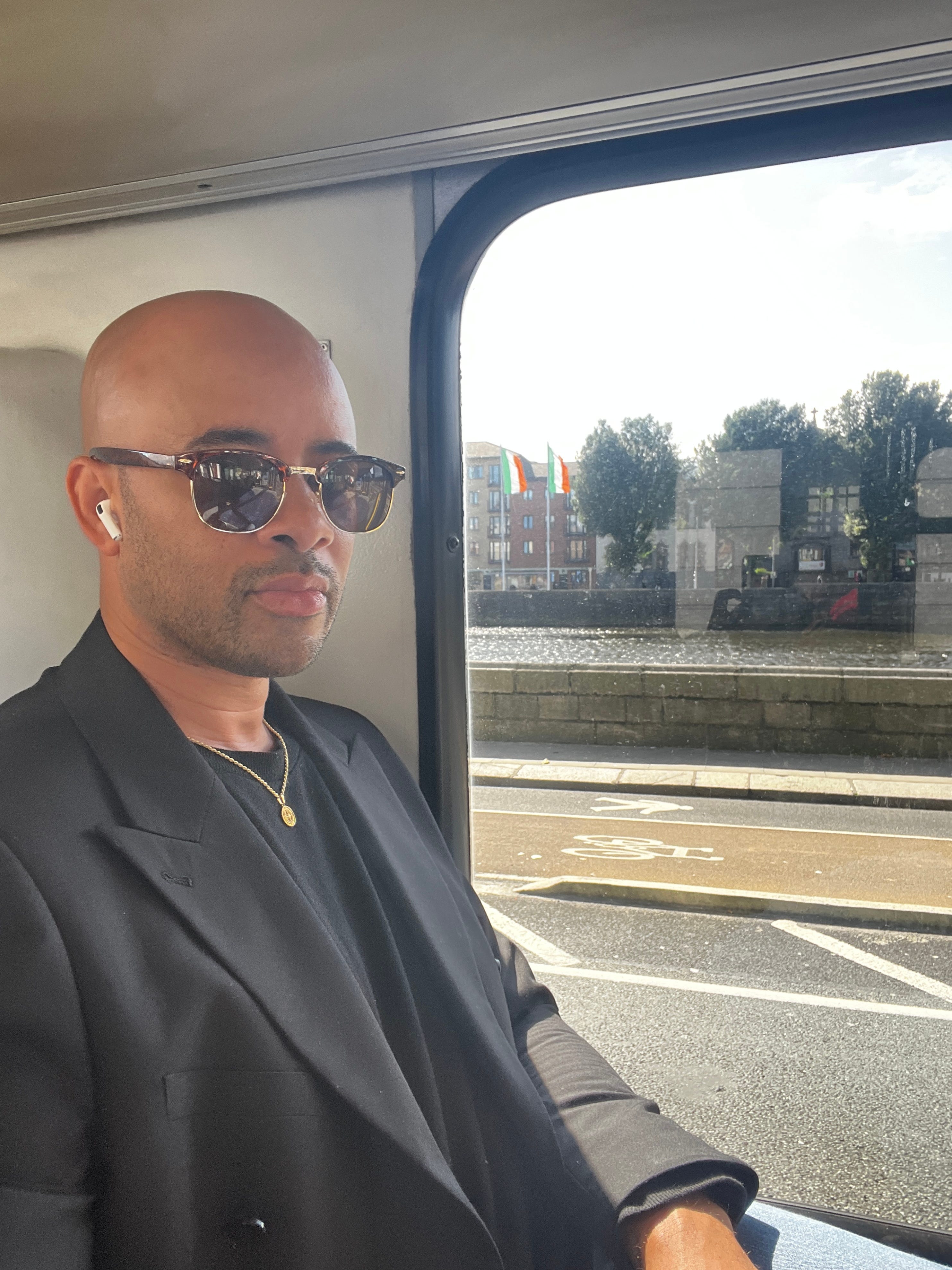
I took so many selfies on Dublin buses. This was genuinely my favorite place to take photos. ETHAN WARD
One day, during rush hour, a family got on the bus: a man, a woman, and about five children ranging from a teenager to a baby still being carried. The woman looked barely old enough to be the mother of all of them. One of the boys, maybe 7 or 8, was completely obnoxious in the way only some kids that age can be. He ran up and down the packed bus, upstairs and back down again, bothering everyone.
I was sitting on the lower level in the back, in the middle seat so I could cross my legs. His teenage sister had ended up near me. Eventually he made his way over too, looked me up and down, and announced at full volume:
“Are those GIRL shoes?!”
I was wearing Saint Laurent Wyatt boots. Leopard print. Maybe a one-inch heel. A long black wool coat.