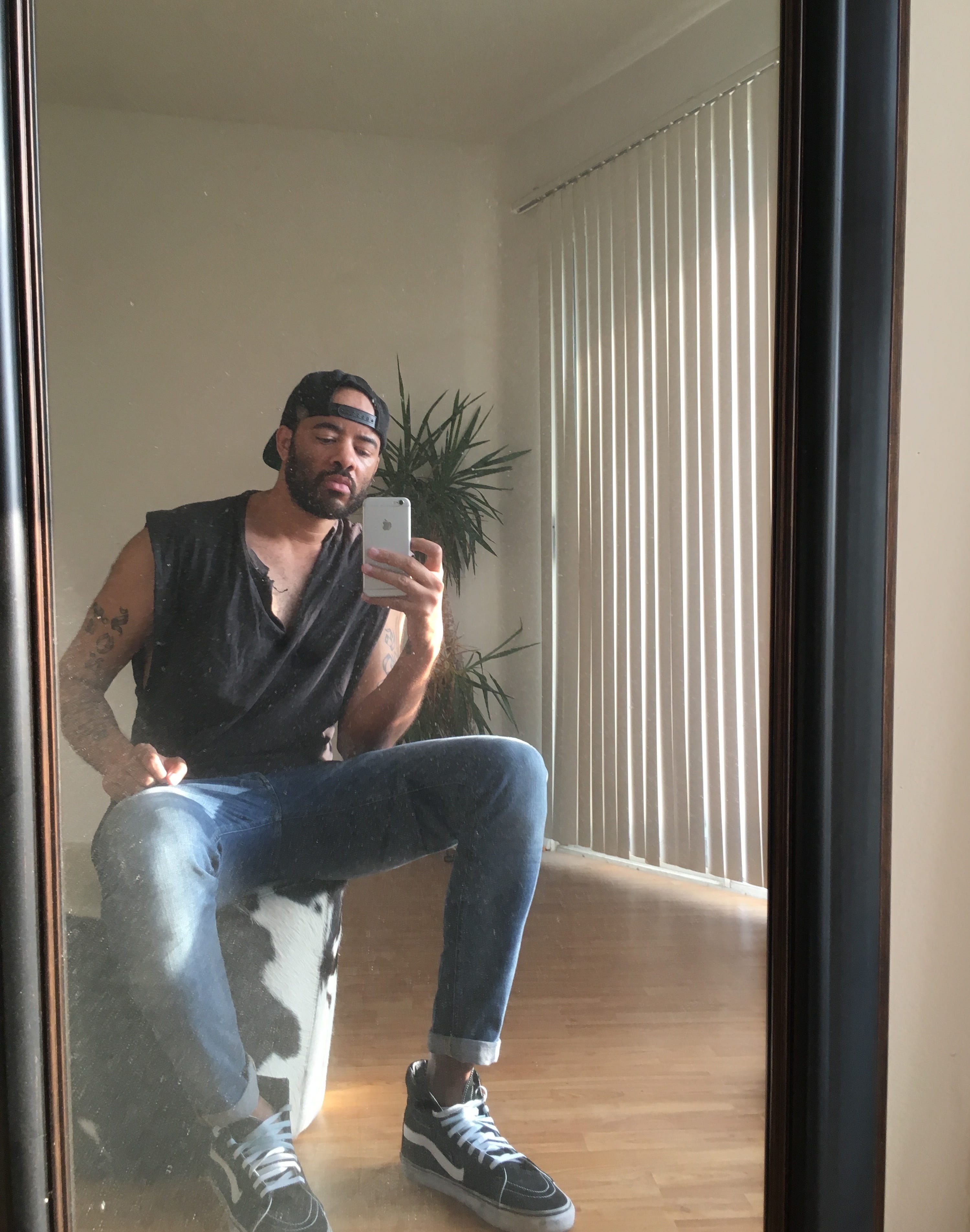
In 2016, I was 34 years old, broke, depressed, and living in Los Angeles.
I had moved there six years earlier to pursue acting. I was still taking classes, still auditioning, and still doing background and stand-in work. I was good enough to stay adjacent to the industry. Not good enough (or not willing enough) to build a life around it.
Financially, I was drowning. Emotionally, I was exhausted. Career-wise, I had nothing to show for six years except proximity.
I thought about moving back to Washington, D.C. That felt worse. D.C. had never felt like home. There was nothing to return to. Los Angeles, despite everything, did. For the first time in my life, I felt connected to a place.
So I stayed. And I decided to go back to school.
By the summer of 2017, I was unhoused.
I lived in my car for a year, from summer 2017 to summer 2018, while finishing my last year at community college and trying to get into USC. I rotated between parking spots each night in North Hollywood. I had a YMCA membership for showers. I learned which baristas would let me sit for hours over one cup of coffee. I learned to wake up before security made their rounds.
I learned the knock.
Three firm taps. The kind that says I know you’re in there.
I told myself it wasn’t “real” homelessness because I had a car. I had a gym membership. I was enrolled in school. I wasn’t on the street. But I was sleeping in parking lots and side streets. If that’s not homelessness, I don’t know what is.
In 2018, I transferred to USC. I graduated in 2020 with a bachelor’s degree in journalism. Then I stayed a bit longer to complete a master’s in public diplomacy, and another year to finish a thesis I could live with.
By the time I was done, I wasn’t sleeping in my car anymore. I had bylines. Eventually, I had a job at LAist 89.3. I was a journalist. Some of the first stories I reported were about homelessness.
I went to encampments in Echo Park, Skid Row, and Venice. I interviewed people living in tents, in cars, and on sidewalks — elderly people priced out of housing, LGBTQ+ youth kicked out by their families, and survivors of domestic violence with nowhere safe to go.
People knew my story by then. Articles were written about the guy who had been unhoused while finishing community college and now covered housing and homelessness in Los Angeles. It became part of my credibility. And I used it — not to exploit it, but to ask better questions. To know when someone was performing compassion while people slept on concrete.
But every interview landed the same way.
Someone would describe living in their car like the knock, the patrols, and trying to figure out where it was safe to park. I’d record audio, take notes, ask follow-ups, and think, I know this feeling.
I didn’t say anything because the moment I did, I would stop being the journalist and become the story. And I had worked too hard to become the journalist.
On paper, it worked. I won awards. I interviewed the mayor of Los Angeles. I was held up as proof that the system functions — that education redeems, that grit pays off, and that you can “pull yourself up by your bootstraps” (I hate this term) and turn that into legitimacy.
The same question returned.
Is this it?
I had felt it once before, in my twenties, in D.C., when I was making good money, driving expensive cars, and living in a beautiful apartment. Everything looked right. But something still felt wrong.
That feeling is what made me leave D.C. It’s what made me move to Los Angeles. And nearly 10 years later — with degrees, credentials, and a career — it came back.
I had done everything I was supposed to do. And I still felt precarious. One bad month away from the car. One policy change away from instability. The ladder never stopped shaking.
I was tired. Tired of reporting on a problem I had lived through while pretending neutrality was possible. Tired of a country that treated homelessness as a policy issue instead of a moral one. Tired of being cast as the acceptable outcome and evidence that if you just endure enough, the system will eventually reward you.
Because the truth was I had worked hard. And I was still exhausted. And I still didn’t feel safe.
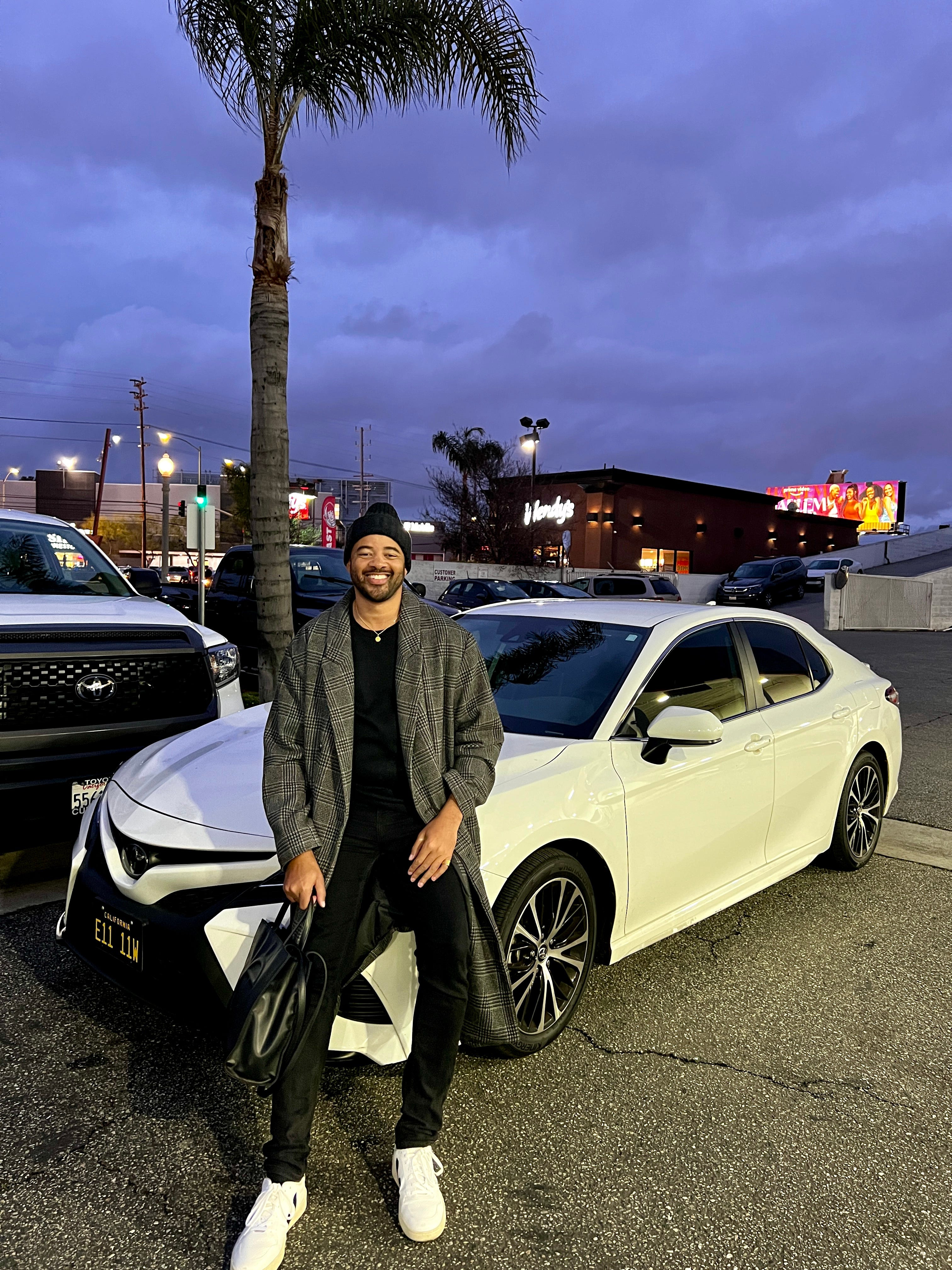
Los Angeles, February 2023. The last photo taken with my car at the dealership before selling it and moving to Paris.
In early 2023, I left the United States.
I didn’t announce it. I didn’t make it a big deal. I just went.
I was in Paris when I received an offer of admission along with a partial scholarship from University College Dublin. Another degree. Another city. Another restart. I hesitated. I wasn’t sure I wanted to keep justifying my existence through credentials. I went anyway.
Dublin was cold, expensive, and disorienting. I studied responsible AI, user research, systems that claim to help while also automating harm. But I learned that I could step outside the identities I had built to survive.
There, I wasn’t the formerly unhoused journalist. I was just another international student.
By 2024, I was working in AI doing policy, storytelling, and implementation simply because it interested me. Because it felt like something I finally chose instead of inherited.
Somewhere in that movement, I realized I didn’t need to return to the U.S. Not because I hated America, but because I no longer needed it to tell me who I am.
The person I was nearly a decade ago wouldn’t recognize me now.
In 2016, I was on the precipice of living in my car, convinced a degree would save me. In 2026, I’m living across Southeast Asia, working in AI, and writing about inheritance. I have multiple degrees. But none of them saved me.
What changed wasn’t my résumé. It was where I placed my sense of legitimacy.
Here’s the question that still returns:
What do you owe a country that let you sleep in your car?
Does that make me ungrateful? Disloyal? Someone who escaped and refused to look back? I don’t know. What I do know is that I stopped organizing my life around owing anything at all.
In numerology, 2025 was a nine-year — a year of endings, shedding, and closure. The last nine-year was 2016, the year before everything fell apart, the year I decided to stay in Los Angeles, and the year that set this cycle in motion.
Nine years later, that cycle is closing not from success, but from release.
From actor to unhoused student to journalist to researcher to writer. From Los Angeles to Dublin to Vietnam. From needing credentials to validate my place to trusting my own.
Fire Horses are restless, independent, resistant to authority. I’m a Water Dog — loyal, adaptive, intuitive. But something happens when you live long enough inside systems that don’t protect you.
You stop asking them to define you.
The cycle that began in 2016 is closed. Whatever comes next doesn’t need to make sense to anyone but me. ⁂
Artifacts
Background work on film and television sets, 2013–2014. Do you recognize any of these TV shows or films? :)
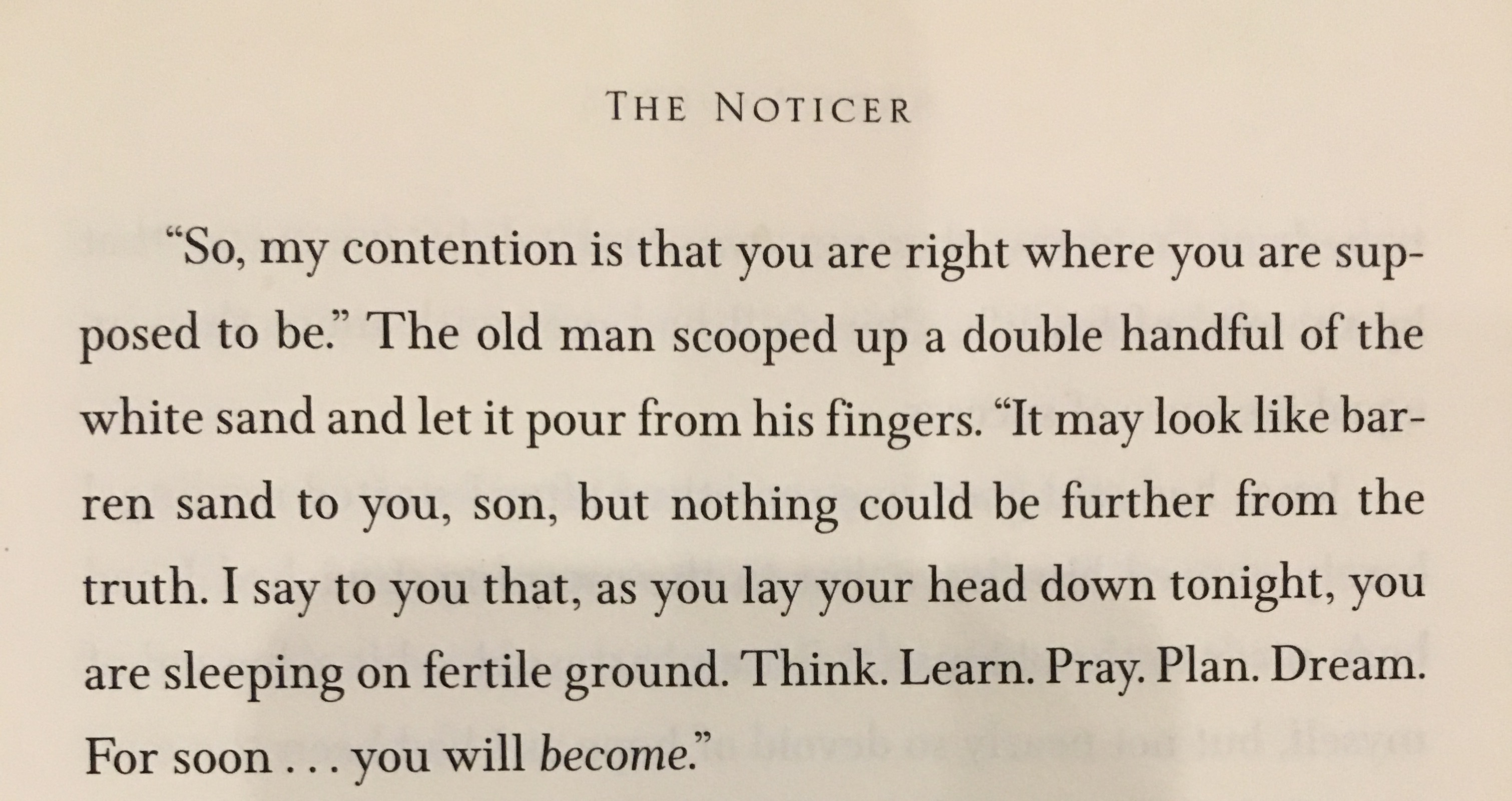
A passage from The Noticer, saved and pinned in the notes app on my phone since 2017.
INHERITANCE features essays on what we inherit culturally, emotionally, and economically, and what it costs to carry it. To receive new posts and support my work, consider becoming a free or paid subscriber.