

Four Bottles of Water
Cyrus Carmack-Belton, four bottles of water he put back, and a verdict that left his killer free.

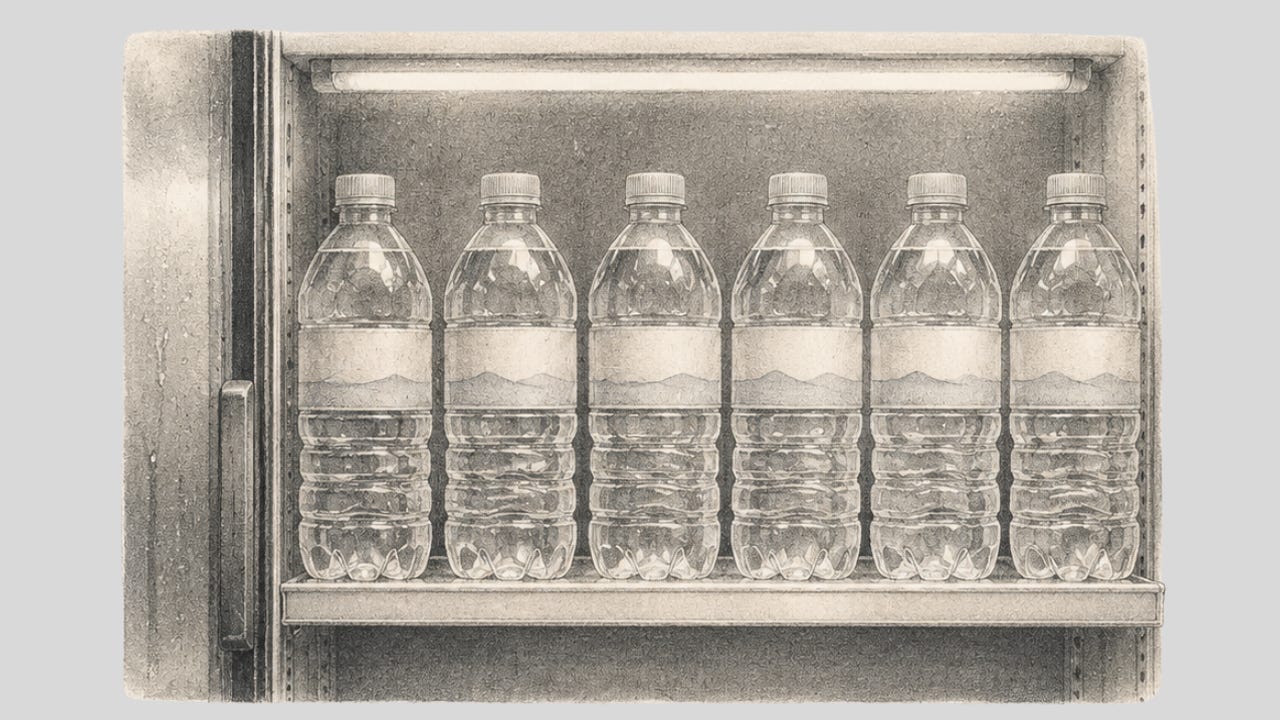
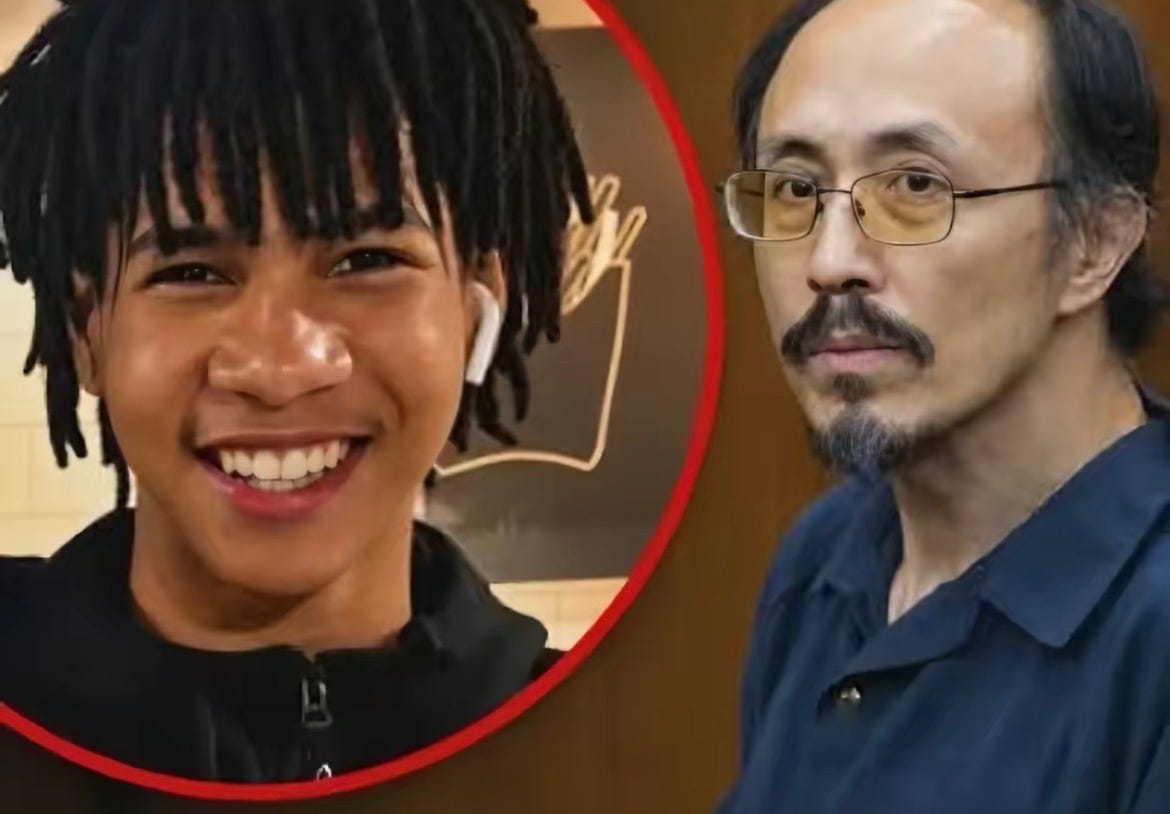
On May 28, 2023, a 14-year-old named Cyrus Carmack-Belton walked into a Shell station on Parklane Road in Columbia, South Carolina. On the store’s own cameras, he picked up four bottles of water and put each one back. He walked out with nothing from the store.
The owner, Rick Chow, and his son decided he had stolen something and chased him more than the length of a football field down the road. At the end of the chase, Chow fired one shot from a .45 into the boy’s back. The wound killed him. The next day, Chow was charged with murder.
On June 1, after more than 8 hours, a unanimous jury found him not guilty. The jury was given two choices: murder or acquittal, nothing in between. Chow never took the stand. The state cannot appeal. He left the courthouse a free man, as he had after two earlier incidents in which he fired his weapon during confrontations with suspected shoplifters, neither of which led to charges.
The defense said Cyrus had pointed a gun at Chow’s son. He did have a pistol, the kind plenty of people in this country carry. But the prosecution said it fell during the chase and was never raised, witnesses testified they never saw it in his hands, and the coroner found he was shot in the lower back while running away.
Cyrus was not the first Black child to die over something this small.
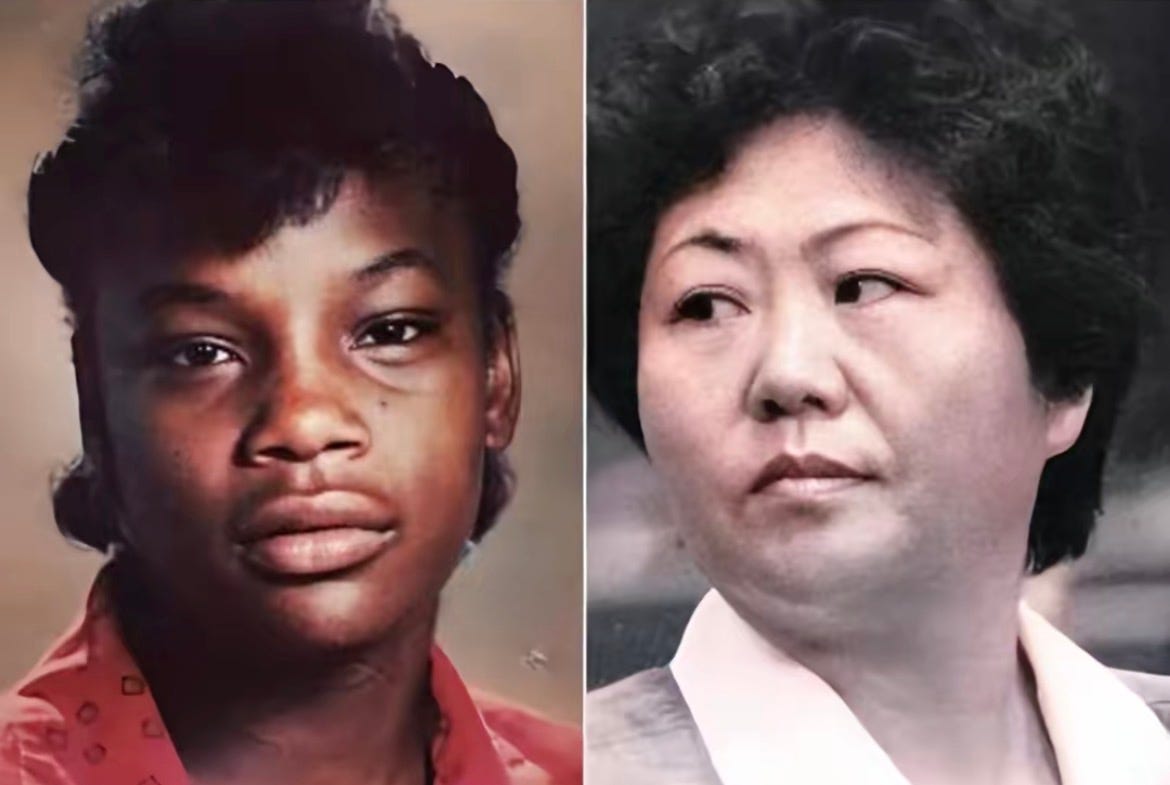
In March 1991, in South Central Los Angeles, a 15-year-old named Latasha Harlins put a bottle of orange juice in her backpack and walked to the counter with the money already in her hand. The store owner, Soon Ja Du, decided she was stealing and shot her in the back of the head. A jury convicted Du of voluntary manslaughter. The judge gave her probation, community service, and a $500 restitution payment. No prison.
In February 2012, in Sanford, Florida, a 17-year-old named Trayvon Martin walked home from a convenience store with a can of iced tea and a bag of Skittles. A neighborhood watchman decided he did not belong, followed him against a dispatcher’s instruction, and shot him dead. A jury acquitted the man who killed him.
Three children and not one of the people who killed them went to prison.
In the days after the verdict, people gathered outside the gas station to protest, and calls went up to stop spending Black money at Asian-owned businesses. Some of the anger turned on Shaun Kent, the only Black lawyer on Chow’s defense team, with people calling for him to be boycotted too. People can make that choice. Mine is bigger and simpler than one man.
I have been doing my own accounting of where my money goes. Black Americans held around $1.6 trillion in buying power in 2020, and too little of it lands in registers we own. According to Pew Research, Black-owned firms are about 3% of classifiable U.S. businesses and bring in roughly 1% of the gross revenue among them, in a country where Black people are about 14% of the population. A dollar earned in our communities is spent there and gone by the end of the day, into a register owned by someone who banks somewhere else.
I know how that store got there. Banks redlined these neighborhoods, white owners left, and the loans that would have let us own the corner were refused to people who looked like me. None of that put the gun in Chow’s hand or sent him chasing a child down the road.

I have felt the cold at counters before, and not only in the United States. I have written about the registers in Asian countries where smiles came easily for the white customer ahead of me and disappeared when it was my turn. I questioned why there seems to be hatred toward people who look like me, but not the people who engaged in chemical warfare in a country that left millions suffering today from the aftermath. This spring it was a nail salon in Paris, two white women getting their nails done, while no one else was in the shop. I asked the two Asian workers what they offered, got the runaround, and was told they could not help me. One of the women in the chairs was as confused as I was. I let it go, because nothing about the interaction was certain. What happened in Columbia is certain.
The United States has never been shy about how little it values Black life. The record is long and it is loud. What a verdict like this adds is permission. It tells the next person that you can chase down a Black child and kill him, that you can have a history of firing on people you suspect, and that a jury will still send you home.

Latasha Harlins had orange juice. Trayvon Martin had a can of iced tea and a bag of Skittles. Cyrus Carmack-Belton had four bottles of water he picked up and put back. So I am making a list of my own now. Store by store, I am done giving my money to places where Black life is treated as disposable. The shops that have treated me like a person, where I know the people behind the counter and have seen how they move through the world, are not the problem. It is about how they treat they treat strangers who walk up to it. If they want our dollars but not our safety, they will not get mine. None of this will bring Latasha, Trayvon, or Cyrus back. But it is the one verdict I get to write. ⁂

